SpaceX Starship: Is It the Best Proven Rocket Ever?
SpaceX Starship is a groundbreaking achievement in rocket technology, reaching orbit successfully.
SpaceX Starship has successfully reached orbit, marking a significant milestone in space exploration. This achievement showcases the advancements in rocket technology and the potential for future missions.
Overview of SpaceX Starship
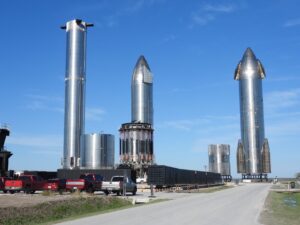
The SpaceX Starship represents a significant leap in space exploration technology. Designed for a range of missions, it aims to facilitate human exploration of Mars and beyond. As the largest rocket ever built, the Starship stands at an impressive height of 120 meters when fully stacked with its booster, the Super Heavy.
One of the key features of the SpaceX Starship is its reusability. Unlike traditional rockets that are often discarded after a single flight, the Starship is intended to be fully reusable, which could drastically reduce the cost of access to space. This innovative design allows for multiple missions with the same vehicle, making it an economical choice for future space endeavors.
Another critical aspect of the Starship is its payload capacity. It can carry up to 100 metric tons to low Earth orbit, making it an ideal choice for launching satellites, interplanetary missions, and even crewed flights. The combination of its size, reusability, and payload capability has led many experts to consider the SpaceX Starship as one of the most advanced rockets in history.
As testing continues, the world eagerly anticipates the next milestones for this groundbreaking spacecraft.
Significance of Reaching Orbit
The successful launch of the SpaceX Starship marks a significant milestone in the evolution of space exploration. Achieving orbit is not just a technical achievement; it represents a pivotal moment for the future of interplanetary travel and commercial spaceflight.
The significance of reaching orbit can be understood through several key points:
- Demonstration of Capability: The SpaceX Starship has showcased its ability to carry heavy payloads into orbit, establishing itself as a formidable contender among existing rockets.
- Cost Efficiency: With its reusability, the Starship aims to reduce launch costs significantly, making space more accessible for both governments and private enterprises.
- Future Missions: This achievement opens the door for future missions to the Moon, Mars, and beyond, aligning with SpaceX’s long-term vision for human colonization of other planets.
- Technological Advancements: The innovations developed for the Starship, such as its Raptor engines and stainless-steel construction, could influence future rocket designs.
In conclusion, the significance of the SpaceX Starship reaching orbit extends beyond a single launch; it symbolizes a new era in space exploration, where the potential for discovery and innovation is boundless.
Technological Innovations
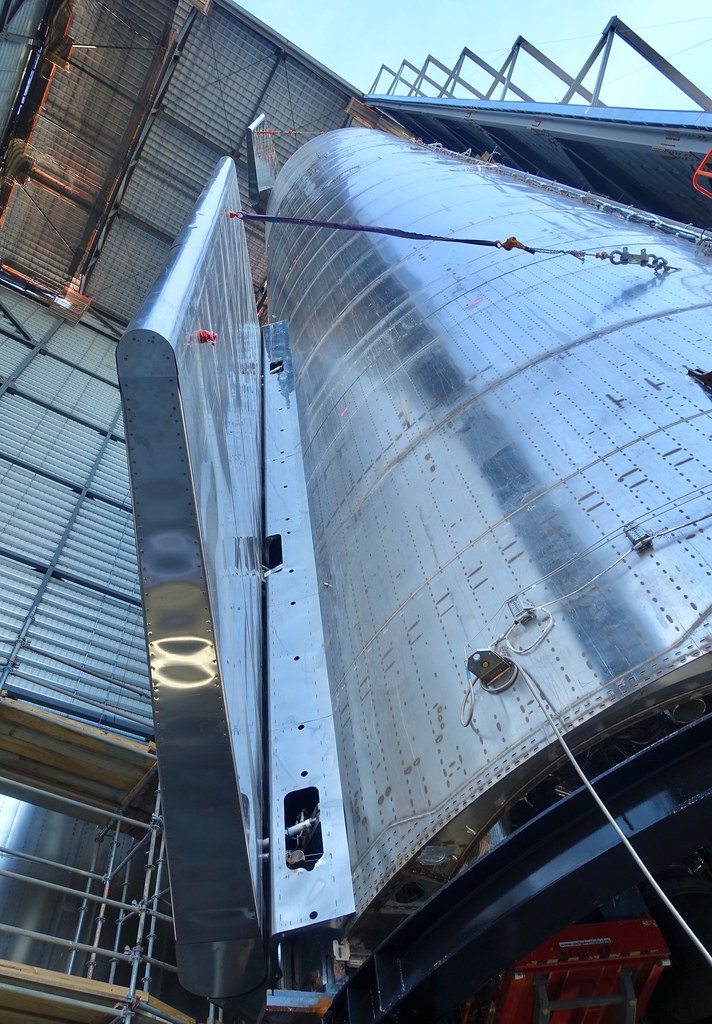
The SpaceX Starship represents a significant leap in rocket technology, showcasing several groundbreaking innovations that set it apart from previous spacecraft. One of its most notable features is its fully reusable design, which aims to drastically reduce the cost of access to space. By allowing the first stage to return and be refurbished for multiple flights, SpaceX is redefining the economics of space travel.
Another remarkable advancement is the Starship’s powerful Raptor engines, which utilize a unique combination of liquid oxygen and methane. This not only enhances performance but also opens up possibilities for in-situ resource utilization on Mars, where methane can be produced from local materials.
Additionally, the spacecraft’s heat shield technology is designed to withstand the intense conditions of re-entry, ensuring that it can safely return to Earth multiple times without significant wear. This durability is crucial for long-term missions to destinations like the Moon and Mars.
Moreover, the Starship’s modular design allows for various configurations, whether for crewed missions, satellite launches, or cargo transport. These innovations collectively position the SpaceX Starship as one of the most versatile and capable rockets ever developed, pushing the boundaries of what is possible in space exploration.
Future Missions Planned
As SpaceX continues to push the boundaries of space exploration, several future missions are planned for the SpaceX Starship, which is already being hailed as a transformative vehicle in the aerospace industry. The company aims to utilize the Starship for a variety of ambitious projects, showcasing its versatility and advanced engineering.
Among the anticipated missions, the following stand out:
- Moon Missions: SpaceX has been selected by NASA to land astronauts on the Moon as part of the Artemis program, with the Starship set to play a critical role in lunar exploration.
- Mars Colonization: One of Elon Musk’s primary goals is to establish a human settlement on Mars, and the Starship’s capabilities are central to this vision. Upcoming test flights are expected to refine the technology necessary for interplanetary travel.
- Satellite Deployment: The Starship will also be utilized for deploying satellites into orbit, enhancing global communication networks and supporting various scientific missions.
- Space Tourism: Plans for private spaceflights are in the works, making space more accessible to civilians, which could revolutionize how we think about space travel.
These upcoming missions reflect the potential of the SpaceX Starship to not only expand human presence in space but also pave the way for innovative applications beyond our planet.
Comparisons with Other Rockets
When evaluating the SpaceX Starship against other rockets, several factors come into play. Its size, payload capacity, and reusability set it apart in the current landscape of space exploration.
Compared to its closest competitor, the NASA Space Launch System (SLS), the Starship boasts:
- Higher Payload Capacity: The Starship can carry over 100 metric tons to low Earth orbit, significantly surpassing the SLS’s capacity.
- Full Reusability: Unlike traditional expendable rockets, the Starship is designed to be fully reusable, which could drastically reduce costs per launch.
- Rapid Turnaround: SpaceX aims for a quick turnaround time between launches, allowing for more frequent missions compared to the lengthy preparation required for SLS missions.
In contrast, the Falcon 9, another SpaceX creation, has proven to be highly reliable and cost-effective, but it lacks the capacity and scope of the Starship. While the Falcon 9 has successfully completed numerous missions, the Starship represents a next-generation approach with ambitions extending beyond Earth.
Overall, the SpaceX Starship showcases an evolution in rocket technology, challenging the norms established by previous rockets and setting new benchmarks in space travel.
Challenges Faced
The journey of the SpaceX Starship has not been without its challenges. As the world’s largest rocket, it has faced significant hurdles during its development and testing phases.
Some of the key challenges include:
- Technical Failures: Several prototype launches experienced malfunctions, leading to explosions and the need for redesigns.
- Regulatory Hurdles: SpaceX has navigated complex regulatory environments, requiring extensive assessments and approvals from agencies like the FAA.
- Funding and Investment: Securing sufficient funding for ongoing development has been crucial, necessitating constant innovation and public interest.
- Environmental Concerns: The impact of rocket launches on the environment has raised questions, leading to increased scrutiny from communities and environmental groups.
Despite these challenges, SpaceX has demonstrated resilience and adaptability. Each test flight, whether successful or not, has provided valuable data to refine the Starship design. This iterative process is essential for achieving long-term goals, such as missions to Mars and beyond. As SpaceX continues to address these obstacles, the potential of the Starship to revolutionize space travel remains a topic of keen interest in the aerospace community.
Public Reactions and Expectations
The recent achievement of the SpaceX Starship reaching orbit has generated a wave of public excitement and curiosity. Many space enthusiasts and experts are expressing their opinions on whether this monumental event marks a turning point in space exploration.
Public reactions have varied widely, with some expressing enthusiasm for the potential of the Starship to revolutionize space travel. “This is just the beginning,” said one prominent aerospace engineer, highlighting the implications for future missions to the Moon and Mars. Others, however, remain cautiously optimistic, citing the challenges the rocket may still face in achieving reliability.
Expectations surrounding the SpaceX Starship are high, with many anticipating that it could outperform its predecessors in both cost-efficiency and payload capacity. A recent poll indicated that a majority of respondents believe the Starship could pave the way for commercial space travel and interplanetary exploration.
While some critics argue that the rocket’s sheer size could lead to complications, supporters maintain that the innovative design and technology behind the SpaceX Starship will ultimately prove its worth. As the public continues to monitor its progress, the anticipation for future launches grows, with many eager to see how this giant will shape the future of aerospace.
By jurvetson via Openverse
Read the original
The Korea Daily · SpaceX Starship
Is the 12th generation Kindle the Best E-Reader Ever? · Starship enters orbit: The Best Proven Launch Success · Next-Generation AI Model: OpenAI’s Safety Concerns Halt Release