Lake Superior comparison: What’s the Best Lake Worldwide?
Lake Superior comparison reveals how it stacks up against the largest lakes across continents.
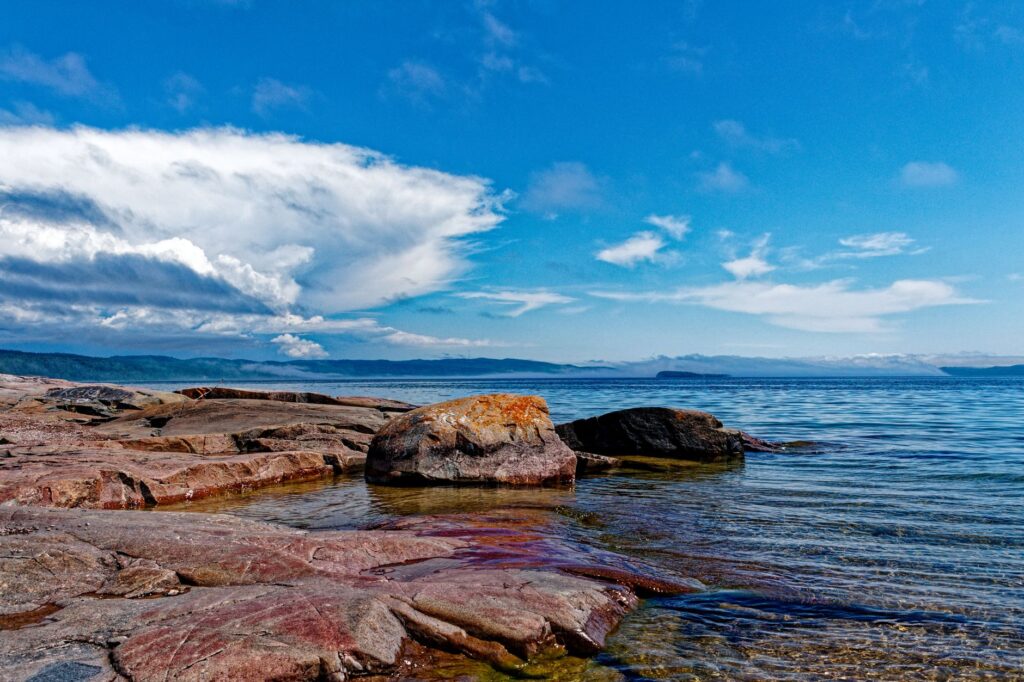
Lake Superior comparison shows how this majestic body of water fares against the biggest lakes on every continent. Discover its unique features and size.
Introduction to Lake Superior
Lake Superior, the largest of the Great Lakes, holds a unique position in the world of freshwater lakes. Known for its vast size and stunning beauty, it is often the subject of a Lake Superior comparison with other lakes worldwide. Covering an area of approximately 31,700 square miles, it is not only the biggest lake in North America but also the largest freshwater lake by surface area in the world.
This remarkable body of water is renowned for its crystal-clear waters and diverse ecosystems, making it a popular destination for nature lovers and outdoor enthusiasts. The lake’s depth reaches about 1,333 feet, contributing to its status as one of the deepest lakes globally.
- Lake Superior is home to numerous islands, including the picturesque Isle Royale.
- It boasts a rich history, tied closely to Native American cultures and early European explorers.
- Inevitably, comparisons arise with other major lakes, like Lake Baikal in Siberia and Lake Victoria in Africa.
As we explore these comparisons, it’s essential to appreciate the unique characteristics that set Lake Superior apart from its global counterparts.
The Largest Lakes on Each Continent
When evaluating the largest lakes on each continent, it becomes clear how Lake Superior compares to its global counterparts. Here is a breakdown of the largest lakes:
- North America: Lake Superior – the largest freshwater lake by surface area.
- South America: Lake Titicaca – located on the border of Peru and Bolivia, it is renowned for its unique biodiversity.
- Africa: Lake Victoria – the largest lake in Africa, it serves as a vital resource for millions of people.
- Asia: Caspian Sea – considered the largest enclosed inland body of water, despite being called a sea.
- Europe: Lake Ladoga – the largest lake in Europe, situated in Russia, known for its scenic beauty.
- Australia: Lake Eyre – a salt lake that is sometimes dry, it showcases the continent’s unique geography.
- Antarctica: Lake Vostok – hidden beneath ice, it holds ancient water and unique ecosystems.
This Lake Superior comparison highlights its remarkable size and significance among the world’s largest lakes.
Lake Superior vs. Other Major Lakes
When considering a Lake Superior comparison with other major lakes around the world, it becomes evident that each lake possesses unique characteristics that contribute to its significance. Lake Superior, known for being the largest freshwater lake by surface area, stands out among its peers.
Here are some key comparisons between Lake Superior and other notable lakes:
- Lake Baikal: Situated in Siberia, Lake Baikal is the world’s deepest and oldest freshwater lake, boasting a unique ecosystem that is home to species found nowhere else.
- Lake Victoria: The largest lake in Africa, Lake Victoria is crucial for the livelihoods of millions, but it faces significant environmental challenges, including pollution and invasive species.
- Lake Tanganyika: Known for its remarkable depth and biodiversity, Lake Tanganyika is the second deepest lake globally, hosting a variety of endemic fish species.
- Caspian Sea: Although technically a saline lake, the Caspian Sea is the largest enclosed inland body of water, influencing regional climates and economies.
These comparisons reveal that while Lake Superior is unparalleled in size, other lakes offer distinct features that make them equally important on a global scale.
Unique Features of Lake Superior
Lake Superior stands out not only as the largest freshwater lake by surface area but also for its unique features that contribute to its global comparison with other major lakes. One of the most remarkable aspects is its incredible depth, reaching 1,333 feet, which allows it to hold more water than any other Great Lake.
Another distinctive feature is the clarity of its waters. Lake Superior is known for having some of the cleanest and clearest water among large lakes, providing a vibrant ecosystem that supports a diverse array of fish and wildlife.
Additionally, its rugged shorelines and scenic vistas attract millions of visitors each year, enhancing its reputation as a natural wonder. The lake also plays a crucial role in local culture and history, making it not just a geographical feature but a significant part of the identity of surrounding communities.
When considering a Lake Superior comparison to other lakes worldwide, it is evident that its unique attributes contribute to its status as a remarkable natural resource and a beloved destination.
In the ongoing Lake Superior comparison, many enthusiasts argue that its vastness and depth set it apart from other lakes worldwide. However, when considering factors like biodiversity and recreational opportunities, the Lake Superior comparison becomes even more intriguing.
Photo by Timm Stein on Pexels
Read the original
Related stories
Vivo Watch GT 2 Features: Best Proven Specs for Users · OmniVision camera sensors: Best Proven Technology for Phones · Google Pixel Update News: The Good and Bad Revealed