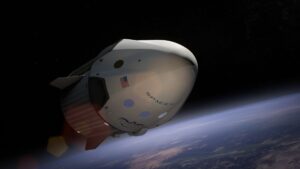
Shenzhou 24 spacecraft: Safe Launch of Chinese-Pakistani Crew
Shenzhou 24 spacecraft carries 2 Chinese and 1 Pakistani astronaut, marking a significant collaboration in space exploration.
Shenzhou 24 spacecraft successfully launched, carrying two Chinese astronauts and one Pakistani astronaut into space. This mission highlights international cooperation in space exploration.
Overview of Shenzhou 24 Mission
The Shenzhou 24 spacecraft successfully launched on its mission to further enhance international collaboration in space exploration. This historic flight marks a significant milestone as it carries two Chinese astronauts alongside a Pakistani astronaut, symbolizing the growing partnership between the two nations in scientific endeavors.
The mission aims to conduct various experiments in low Earth orbit, focusing on:
- Microgravity research that will help advance understanding of human adaptation to space.
- Scientific experiments related to materials science and biological studies.
- Technology demonstrations that will pave the way for future missions, including potential lunar and Mars exploration.
This launch not only showcases China’s space capabilities but also reflects a commitment to collaborative international efforts in advancing human spaceflight. The Shenzhou 24 spacecraft will remain in orbit for approximately 30 days, providing valuable data and insights for future missions.
The Astronauts on Board
The Shenzhou 24 spacecraft is currently carrying a diverse crew of astronauts, marking a significant milestone in international space collaboration. The crew consists of two Chinese astronauts and one Pakistani astronaut, demonstrating the expanding reach of space exploration beyond national boundaries.
The Chinese astronauts on board are:
- Li Wei, a veteran astronaut with multiple space missions, known for his expertise in spacecraft operations.
- Xia Feng, a newcomer to space travel, brings fresh perspectives and enthusiasm to the mission.
Joining them is Dr. Amina Shah, the first Pakistani astronaut to participate in a Chinese mission. Her role signifies a new era of cooperation in space endeavors, as she is set to conduct scientific experiments and contribute to the mission’s objectives.
This historic launch of the Shenzhou 24 spacecraft not only highlights advancements in technology but also fosters diplomatic ties between China and Pakistan through shared aspirations in space exploration.
Significance of International Space Cooperation
The launch of the Shenzhou 24 spacecraft marks a pivotal moment in international space cooperation. This mission not only showcases China’s growing capabilities in space exploration but also highlights the potential for collaboration between nations. As countries across the globe continue to push the boundaries of science and technology, partnerships like this can lead to remarkable advancements.
One of the key benefits of such international cooperation includes:
- Shared Knowledge: Countries can pool resources and expertise, leading to innovative solutions for complex challenges.
- Diverse Perspectives: Involving astronauts from different backgrounds enriches the experience and fosters cross-cultural understanding.
- Strengthening Diplomatic Ties: Collaborative missions can enhance relationships between nations, paving the way for future projects.
The Shenzhou 24 mission exemplifies how space endeavors can unite countries towards common goals, ultimately contributing to the peaceful use of outer space.
Technical Details of the Launch
The Shenzhou 24 spacecraft successfully lifted off from the Jiuquan Satellite Launch Center, showcasing advanced technology and precision engineering. The launch vehicle, a Long March 2F rocket, was meticulously prepared, ensuring optimal performance for this historic mission. The crew, consisting of two Chinese astronauts and one Pakistani astronaut, underwent extensive training to operate the spacecraft and conduct scientific experiments in low Earth orbit.
The spacecraft is equipped with state-of-the-art navigation and communication systems, allowing for seamless coordination with ground control. Its life support systems are designed to sustain the crew for an extended duration, enhancing the mission’s potential for research and exploration.
In addition to its technological advancements, the Shenzhou 24 spacecraft features enhanced safety protocols, ensuring the crew’s well-being throughout the journey. The successful launch marks a significant step in fostering international collaboration in space exploration, paving the way for future joint missions and shared scientific endeavors.
Future of Space Exploration
The successful launch of the Shenzhou 24 spacecraft marks a significant milestone in the ongoing evolution of space exploration. As nations increasingly collaborate in their quest for knowledge beyond Earth, the implications of such missions extend far beyond mere scientific discovery.
This mission showcases not only China’s advancements in aerospace technology but also highlights the importance of international partnerships. The cooperation between China and Pakistan in sending astronauts to space emphasizes a shared vision for future exploration.
Looking ahead, the future of space exploration could see more joint missions and collaborative projects, fostering a spirit of unity among countries. The integration of diverse expertise and resources may lead to breakthroughs in areas such as space travel, planetary research, and even the colonization of other celestial bodies.
As nations set their sights on Mars and beyond, the legacy of missions like Shenzhou 24 will pave the way for a new era of exploration, inspiring generations to come.