Is the Tianwen-3 Mission the Best Mars Launch Plan?
Tianwen-3 Mission is on track for a 2028 launch, aiming for a 2031 sample return from Mars.
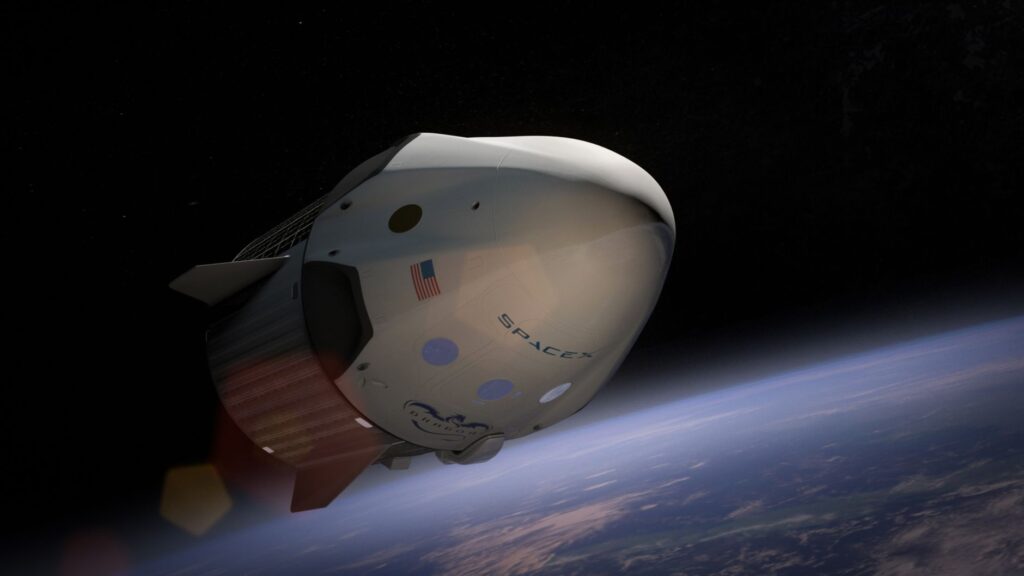
The Tianwen-3 Mission is set to launch in 2028, with a goal of returning samples from Mars by 2031. This ambitious project highlights China’s growing capabilities in space exploration.
Overview of the Tianwen-3 Mission
The Tianwen-3 Mission represents China’s ambitious plan to explore Mars further and return samples to Earth. Scheduled for a launch in 2028, this mission aims to collect Martian soil and rock samples, with hopes of returning them by 2031. The initiative follows the success of the Tianwen-1 mission, which demonstrated China’s growing capabilities in space exploration.
The Tianwen-3 mission will deploy a sophisticated rover designed to analyze the Martian surface in greater detail. Key objectives include:
- Identifying suitable sample collection sites.
- Conducting in-situ scientific experiments.
- Testing new technologies for future exploration.
China’s space agency has highlighted the importance of international collaboration in this mission, aiming to share findings with global scientific communities. As the launch date approaches, experts are closely monitoring developments, evaluating how the Tianwen-3 Mission may redefine our understanding of Mars and its potential for supporting life.
Timeline for Launch and Sample Return
The Tianwen-3 Mission is set to follow a meticulously planned timeline that aims for a launch in 2028, with the goal of returning samples from Mars by 2031. This ambitious schedule reflects China’s commitment to advancing its space exploration capabilities and understanding of the Red Planet.
Key milestones in the timeline include:
- 2024: Completion of the spacecraft development phase, ensuring all systems are tested and functional.
- 2026: Final assembly and integration of the launch vehicle to prepare for a series of pre-launch tests.
- 2028: Scheduled launch window opens, with the spacecraft departing for Mars.
- 2031: Planned arrival at Mars and commencement of sample collection operations.
Throughout this period, scientists will work on refining the mission’s objectives and technology, ensuring that the Tianwen-3 Mission not only meets its targets but also contributes significantly to the global understanding of Martian geology and potential life-supporting conditions.
China’s Goals in Mars Exploration
China’s ambitious goals in Mars exploration are encapsulated in the upcoming Tianwen-3 Mission, which aims to expand our understanding of the Red Planet. This mission follows the successful Tianwen-1, which made headlines by landing the Zhurong rover on Mars in 2021. With the Tianwen-3 Mission, China is set to take a significant leap in its Martian endeavors.
The primary objectives of the Tianwen-3 Mission include:
- Sample Collection: The mission is designed to gather soil and rock samples from the Martian surface, providing valuable insights into the planet’s geology.
- Return Capability: For the first time, China will attempt to return these samples to Earth, which is a critical step in understanding Mars’ potential for past life.
- Technological Advancements: The mission will test new technologies in deep space exploration, further solidifying China’s position in space science.
As the Tianwen-3 Mission prepares for its 2028 launch, its success could redefine our approach to Mars and propel international collaboration in space exploration.
Technological Innovations in Tianwen-3
The Tianwen-3 Mission is set to showcase several groundbreaking technological innovations that could redefine space exploration. One of the most significant advancements is the development of a new type of spacecraft designed for deep space travel, which promises enhanced propulsion systems to facilitate faster and more efficient journeys to Mars.
Additionally, the mission will employ state-of-the-art robotics for sample collection, allowing for precise extraction of Martian soil and rock samples. These robotic systems are expected to operate autonomously, reducing the risk of human error during the collection process.
Another notable feature is the advanced communication technology that will enable real-time data transmission between Earth and the spacecraft. This capability is crucial for mission success, as it allows scientists to analyze data promptly and make informed decisions throughout the mission.
Finally, the Tianwen-3 Mission will incorporate innovative materials that can withstand the harsh Martian environment, ensuring the durability and longevity of the equipment used in the exploration.
International Reactions to the Mission
International reactions to the Tianwen-3 Mission have been largely positive, with many experts acknowledging China’s growing capabilities in space exploration. The mission, which aims to launch in 2028 and return samples by 2031, has sparked interest and curiosity worldwide.
Countries such as the United States and members of the European Space Agency have expressed both admiration and caution regarding the ambitious plans. NASA, in particular, views the Tianwen-3 Mission as a significant competitor in the race for Martian exploration, given its advanced technology and strategic objectives.
Furthermore, Japan’s space agency has indicated a willingness to collaborate on certain aspects of Martian research, recognizing the benefits of shared knowledge and resources. There is a growing consensus that cooperative efforts can propel humanity’s understanding of Mars, despite geopolitical tensions.
As the countdown to the launch begins, the international community remains watchful, eager to see how the Tianwen-3 Mission will evolve and impact global space exploration dynamics.
Photo by SpaceX on Pexels
Sources
Related reading
Open-source AI model: Is it the Best Tool for Lunar Mapping? · iPhone 18 Launch Event: Worst Skipped Model Revealed · Link and Zelda amiibo: Best Proven Collectibles for 2027