Instagram Video Length: The Worst Change for Creators
Instagram video length is changing, but it’s the worst news for creators as ad revenue won’t be shared like YouTube.
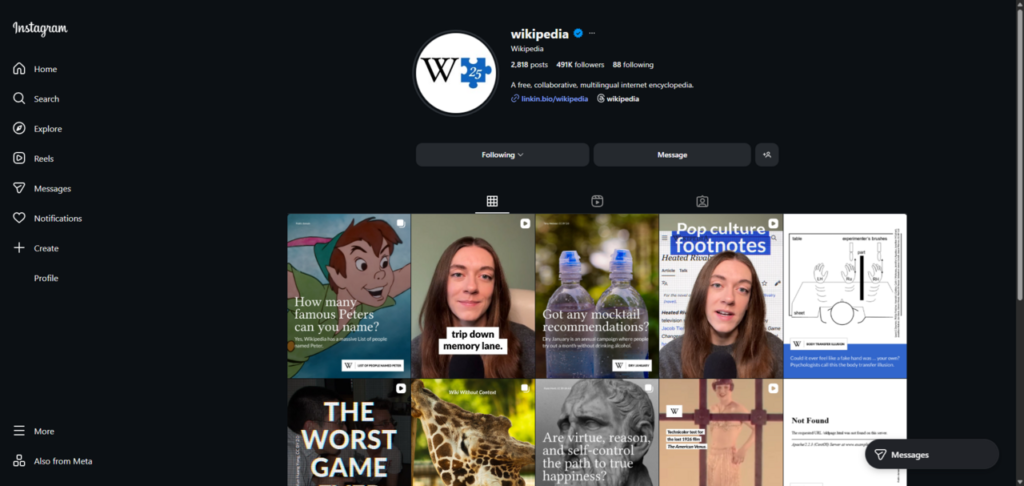
Instagram video length is now being tested at 90 minutes, raising concerns among creators. Unlike YouTube, this change doesn’t include ad revenue sharing, leading to frustration in the community.
Why Instagram Video Length Matters
As Instagram continues to evolve, the changes in Instagram video length are becoming increasingly significant for creators. The platform has recently begun testing videos that can last up to 90 minutes, a move that mirrors the long-form content strategy seen on platforms like YouTube. However, unlike YouTube, which shares ad revenue with its creators, Instagram has yet to implement a similar monetization strategy for longer videos.
This disparity raises concerns for many content creators who rely on video as a primary source of income. With the potential for longer videos, creators might feel pressured to produce more content without the financial incentives that come with it. The impact of this change can be wide-ranging:
- Increased Competition: Longer videos could lead to a saturation of content, making it hard for individual creators to stand out.
- Content Quality vs. Quantity: Creators may struggle to maintain high-quality content while meeting new length requirements.
- Strategic Shifts: Many creators might reconsider their approach, focusing on platforms that offer better monetization options.
Ultimately, the Instagram video length shift is not just a technical change; it reflects broader trends in social media economics and creator support.
The Impact on Creators
The recent changes to Instagram video length have left many creators feeling frustrated and uncertain about their future on the platform. As Instagram expands the maximum video length to a staggering 90 minutes, creators are grappling with the implications of this shift.
While longer videos may seem appealing, the reality is that this change may not benefit creators as much as Instagram hopes. Many influencers and content producers are finding it challenging to keep audiences engaged for extended periods. In a landscape dominated by short, digestible content, longer videos could lead to a drop in viewer retention.
Moreover, unlike platforms such as YouTube, Instagram is not sharing ad revenue with creators for these longer videos. This lack of monetization options raises concerns, as creators rely on income generated from their content to sustain their careers. With the new Instagram video length, many are questioning whether the effort required to produce longer videos will be worth it without financial compensation.
Additionally, the competitive nature of social media means that creators must constantly adapt to platform changes. As they navigate the challenges posed by longer videos, many are left wondering how to maintain their audience while remaining true to their content style.
In this evolving landscape, the future for creators on Instagram remains uncertain as they adapt to the implications of increased video length.
Instagram’s Monetization Strategy
Instagram’s recent decision to extend video length to 90 minutes has raised eyebrows among creators, especially regarding its monetization strategy. While longer videos could potentially attract more viewers, the platform’s approach to ad revenue sharing has sparked concern.
Unlike YouTube, which offers creators a share of ad revenue generated from their content, Instagram has yet to implement a similar model. This has left many creators questioning the sustainability of their efforts and whether investing time in longer videos will yield any financial benefit. The absence of a clear monetization strategy for longer content can discourage creators from fully embracing the new video length capabilities.
Key points of concern include:
- Engagement vs. Monetization: Creators may find it challenging to keep viewers engaged for extended periods without a financial incentive.
- Content Quality: The pressure to produce longer videos could lead to a decline in quality, as creators may prioritize length over substance.
- Competition with YouTube: As YouTube offers better monetization options, creators may prefer that platform for longer content.
In summary, while the increased Instagram video length might seem beneficial, the lack of a robust monetization strategy could make it the worst change for creators looking to thrive on the platform.
Comparing Instagram and YouTube
As Instagram continues to evolve, its approach to video content stands in stark contrast to platforms like YouTube, particularly in terms of video length. While YouTube has established itself as a go-to platform for longer, more in-depth content, Instagram’s recent shift to allow videos up to 90 minutes long raises questions about its effectiveness for creators.
One significant difference between the two platforms is how they monetize video content. YouTube offers creators a robust ad revenue-sharing model that incentivizes longer videos, allowing creators to earn a substantial income while engaging viewers. In contrast, Instagram’s monetization strategy remains limited, particularly for its longer videos. Although Instagram has begun testing longer video lengths, it has not yet implemented an advertising revenue-sharing program, leaving creators frustrated.
Additionally, the Instagram video length change may not align with audience expectations. Users typically turn to Instagram for quick, visually engaging content, while YouTube caters to those seeking comprehensive storytelling and detailed information. As a result, creators may find it challenging to adapt their content for a platform that doesn’t prioritize monetization in the same way.
Furthermore, this disparity in video content strategy could lead to a significant shift in how creators allocate their time and resources across platforms, ultimately affecting their reach and engagement.
The new Instagram video length limits have left many creators frustrated and struggling to adapt. With the increased Instagram video length constraints, it has become challenging to convey messages effectively.
via Wikimedia Commons