South Korea chip buildout: Is it Worth the Investment?
South Korea chip buildout is attracting $2 billion from four U.S. firms. Discover the impact and benefits of this investment.
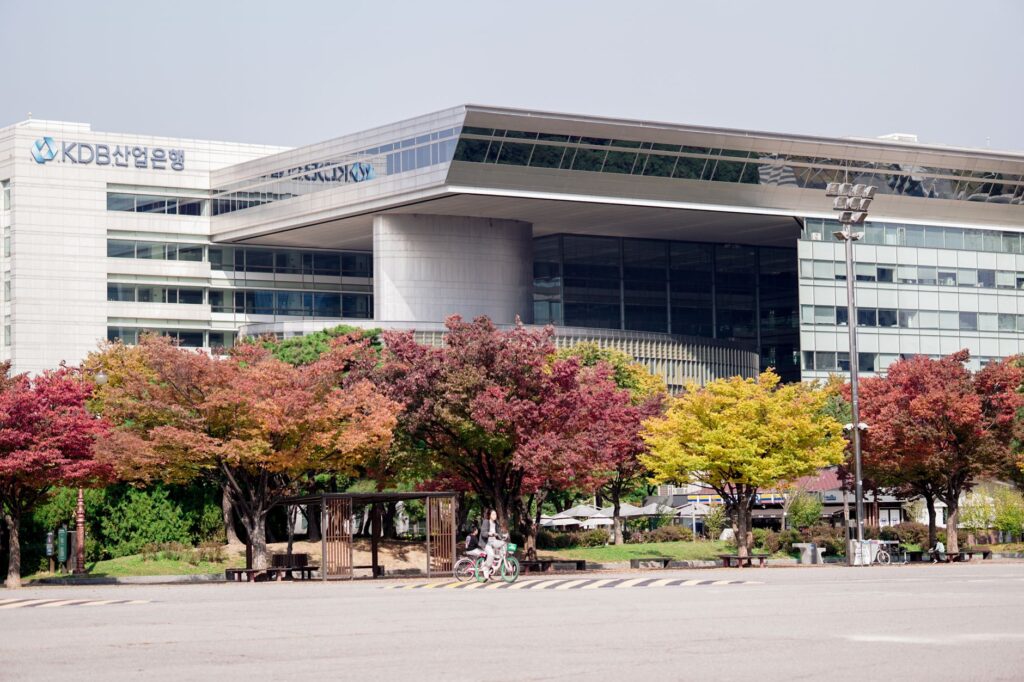
South Korea chip buildout is set to receive a significant boost as four U.S. firms pledge $2 billion to enhance the semiconductor industry. This investment aims to strengthen global supply chains and technological advancements.
Overview of the Investment
In recent developments, four major U.S. firms have committed $2 billion to support South Korea’s chip buildout, highlighting the growing significance of the semiconductor industry in the global market. This investment is seen as a strategic move to strengthen supply chains and enhance technological capabilities in the face of increasing competition.
South Korea has positioned itself as a key player in the semiconductor sector, driven by leading companies like Samsung and SK Hynix. The government has also been actively promoting policies to bolster the industry, aiming to attract foreign investment and stimulate domestic production.
This recent pledge from U.S. firms underscores a collaborative effort to ensure a robust semiconductor ecosystem, which is vital for various sectors, including automotive, consumer electronics, and artificial intelligence. As companies navigate supply chain challenges, the South Korea chip buildout is poised to play a pivotal role in securing a more resilient future for technology manufacturing.
Investors are keenly observing how these developments unfold, contemplating the long-term benefits of investing in such an essential industry.
Impact on the Semiconductor Market
The ongoing South Korea chip buildout is poised to significantly impact the global semiconductor market. As South Korea invests heavily in expanding its semiconductor manufacturing capabilities, several factors are at play that could reshape industry dynamics.
- Increased Production Capacity: With the establishment of new fabs and upgraded facilities, South Korea aims to enhance its production capabilities, catering to rising demand in various sectors, including automotive and consumer electronics.
- Innovation and R&D: The focus on advanced technologies, such as 5nm and 3nm chips, will not only improve performance but also position South Korean firms as leaders in next-generation semiconductor solutions.
- Global Supply Chain Stability: By diversifying supply sources and reducing reliance on single regions, the South Korea chip buildout could help stabilize the semiconductor supply chain, which has faced disruptions in recent years.
As companies pivot towards this new landscape, investors and industry stakeholders are closely monitoring these developments, weighing the potential return on investment in light of evolving market conditions.
Key Players Involved
As South Korea embarks on a massive chip buildout, several key players are stepping up to influence the landscape of the semiconductor industry. These companies are not only investing capital but also bringing innovation and expertise to the table.
- Samsung Electronics: As a leading manufacturer, Samsung is at the forefront of the chip buildout, significantly increasing production capacity to meet global demand.
- SK Hynix: Another major player, SK Hynix is focusing on memory chips, aiming to enhance its market share during this pivotal moment for South Korea’s semiconductor sector.
- Intel: The tech giant has pledged $2 billion to support South Korea’s chip buildout, signaling a strong commitment to collaboration and innovation in the region.
- TSMC: While based in Taiwan, TSMC’s involvement in South Korea’s chip buildout highlights the interconnected nature of the global semiconductor supply chain.
- Qualcomm: By investing in research and development, Qualcomm is also contributing to the technological advancements necessary for this ambitious initiative.
These companies are poised to play critical roles in shaping the future of the semiconductor market as South Korea aims to solidify its position as a global leader.
Future Prospects for South Korea
As South Korea ramps up its chip buildout, future prospects appear increasingly promising. The nation’s commitment to becoming a global semiconductor powerhouse is solidified by substantial investments from both domestic and international firms. Key factors influencing this optimistic outlook include:
- Government Support: The South Korean government has introduced incentives to bolster semiconductor production, ensuring a conducive environment for growth.
- Technological Advancements: South Korean companies are at the forefront of innovation, continually pushing the boundaries of chip technology and manufacturing processes.
- Strategic Partnerships: Collaborations with major U.S. firms, as evidenced by the recent $2 billion pledge, are likely to strengthen South Korea’s position in the global semiconductor supply chain.
- Market Demand: The increasing demand for advanced chips in various sectors, including AI and automotive, presents a significant market opportunity for South Korean manufacturers.
Ultimately, the ongoing chip buildout in South Korea is set to play a pivotal role in shaping the future of the global semiconductor landscape.
Challenges Facing the Chip Industry
The South Korea chip buildout faces several challenges that could impact its success and sustainability. Industry analysts have identified key issues that need to be addressed for the initiative to thrive.
- Global Supply Chain Disruptions: The ongoing geopolitical tensions and pandemic-related supply chain disruptions have created uncertainties that could hinder production timelines.
- Competition from Other Nations: Countries like the United States and China are also ramping up their semiconductor capabilities, intensifying the competitive landscape.
- Regulatory Hurdles: Navigating complex regulatory environments can slow down project approvals and increase operational costs for firms involved in the buildout.
- Skilled Labor Shortages: A lack of qualified engineers and technicians in the semiconductor industry may pose a significant barrier to achieving the desired growth and innovation.
- Investment Risks: The high capital expenditures required for chip fabrication facilities make the investment risky, especially amid fluctuating demand.
Addressing these challenges will be crucial for the long-term viability of the South Korea chip buildout initiative.
Government Support for Chip Production
The South Korean government is playing a crucial role in the country’s chip buildout strategy, providing substantial support to boost domestic semiconductor production. This backing includes financial incentives, tax breaks, and streamlined regulatory processes aimed at attracting both local and foreign investments.
One significant initiative is the KRW 510 trillion ($450 billion) plan announced in 2021, which aims to strengthen South Korea’s semiconductor industry over the next decade. This ambitious framework is designed to position the country as a global leader in chip manufacturing.
In addition to financial measures, the government is fostering collaboration between academic institutions and semiconductor companies to develop cutting-edge technologies. This effort is crucial for maintaining competitiveness in a rapidly evolving market.
Moreover, the recent pledge by four U.S. firms to invest $2 billion in South Korea’s chip buildout highlights the international interest and confidence in the country’s semiconductor capabilities. With ongoing government support, South Korea is set to enhance its role in the global semiconductor landscape.
Conclusion and Insights
In conclusion, the South Korea chip buildout represents a significant opportunity for both domestic and international stakeholders. As the country seeks to solidify its position as a global leader in semiconductor manufacturing, several factors must be considered before diving into investments.
Firstly, the government’s unwavering support for the chip industry, coupled with substantial financial commitments from major U.S. firms, underscores the potential for growth in this sector. However, investors should remain cautious about the challenges, including supply chain disruptions and geopolitical tensions, which could impact the pace of development.
Moreover, the evolving landscape of technology and consumer demand will play a crucial role in defining the future of the semiconductor market. Investors should closely monitor trends such as:
- Advancements in chip technology
- The rise of AI and IoT applications
- Global competition in semiconductor production
Ultimately, while the South Korea chip buildout presents enticing prospects, a thorough assessment of the associated risks will be essential for making informed investment decisions.
The South Korea chip buildout has sparked interest among global investors looking to capitalize on the growing semiconductor market. As companies ramp up production, the implications of the South Korea chip buildout could reshape the industry’s landscape for years to come.
Photo by Naufal Shidqi on Pexels
Where this came from
Related reading
India Space Economy: Clear Mission for $44 Billion Growth · Pixxel funding news: Is this the best $100 million deal? · Anthropic IPO valuation: Is it worth $2 trillion?