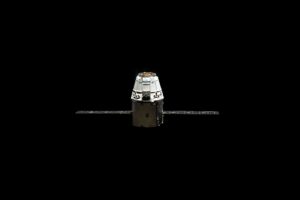
SpaceX Starship launch: Worst orbital ship catch failure
SpaceX Starship launch marks a historic moment despite setbacks.

SpaceX Starship launch made history with its first orbital ship catch, despite a booster failure. This significant event showcases the challenges and triumphs of space exploration.
Overview of the SpaceX Starship launch
The recent SpaceX Starship launch marked a significant milestone in the company’s efforts to achieve orbital flight. The launch aimed to demonstrate advanced technologies and operational capabilities, showcasing SpaceX’s commitment to space exploration.
Despite a series of complex maneuvers, the mission encountered challenges that ultimately led to a booster failure. However, the launch still made history by attempting the first-ever orbital ship catch, a groundbreaking technique designed to recover booster stages for reuse.
Key highlights of the SpaceX Starship launch include:
- The successful liftoff of the Starship vehicle.
- Innovative recovery strategies that are crucial for future missions.
- A focus on sustainability in space travel through reuse of components.
While the booster failure was disappointing, the overall mission provided valuable data and insights that will inform future launches and recovery techniques.
Details on the booster failure
The recent SpaceX Starship launch aimed to make history by achieving the first orbital ship catch. However, the event was marred by a significant booster failure that raised concerns among aerospace experts. The failure occurred just moments after liftoff, when the booster experienced an unexpected malfunction, causing it to deviate from its planned trajectory.
Despite the setback, SpaceX managed to successfully recover the ship, demonstrating the resilience of their technology. Key details surrounding the booster failure include:
- Timing: The failure happened approximately two minutes into the flight.
- Impact: The booster could not complete its intended separation, leading to an emergency landing.
- Response: SpaceX engineers quickly initiated recovery procedures to minimize damage.
While the booster failure overshadowed the launch, the successful recovery of the Starship marks a pivotal moment in space exploration, keeping hopes alive for future missions.
Significance of the orbital ship catch
The significance of the SpaceX Starship launch extends beyond its initial failures, marking a pivotal moment in aerospace innovation. The successful attempt at an orbital ship catch demonstrates the potential for reusable spacecraft, a concept that could drastically reduce the cost of space exploration.
Despite the setback of the booster failure, the mission’s achievements resonate with various stakeholders:
- Environmental Impact: Reusable rockets can minimize space debris and lower the carbon footprint associated with launches.
- Commercial Opportunities: The potential for rapid satellite deployment and space tourism could reshape the industry landscape.
- Scientific Advancements: The technology developed could lead to more ambitious missions, including crewed missions to Mars.
In summary, while the orbital ship catch may not have gone entirely as planned, it sets the stage for future successes and innovations in space travel.
Future implications for SpaceX
The recent SpaceX Starship launch, despite its setbacks, holds significant implications for the future of space exploration and reusable rocket technology. As the company continues to innovate, the lessons learned from this orbital ship catch failure will likely influence upcoming missions.
Key implications include:
- Improved Design: Engineers may refine the Starship’s design based on the failure analysis, enhancing both safety and efficiency for future flights.
- Increased Testing: A focus on rigorous testing protocols could become more pronounced, ensuring that potential issues are identified and addressed before launch.
- Future Launch Plans: The outcome may alter SpaceX’s timeline and strategy for future missions, including crewed flights to the Moon and Mars.
- Regulatory Scrutiny: Increased attention from regulatory bodies may arise, prompting SpaceX to navigate a more complex landscape as they push boundaries.
Ultimately, the SpaceX Starship launch marks a pivotal moment in the quest for reliable space travel.
Reactions from the aerospace community
The aerospace community has responded with a mix of optimism and caution following the recent SpaceX Starship launch, which, despite encountering a booster failure, achieved a significant milestone with its first orbital ship catch. Industry experts are particularly intrigued by the implications of this event for future missions.
Many professionals in the field have expressed their admiration for SpaceX’s resilience and innovative approaches. Dr. Emily Carter, an aerospace engineer, stated, “This launch demonstrates SpaceX’s commitment to pushing boundaries, even when faced with setbacks.”
Others, however, have voiced concerns about the reliability of the Starship system moving forward. John Liu, a veteran rocket designer, emphasized the need for rigorous assessments before the next launch. “The worst orbital ship catch failure raises questions about long-term safety and performance,” he noted.
Overall, the reactions highlight a shared hope for continued advancement in space technology, coupled with a cautious approach to address current challenges.
Photo by Ocean Camera Space Corp. on Pexels